Round Flower Quilting: A Beautiful Addition to Your Creative Projects
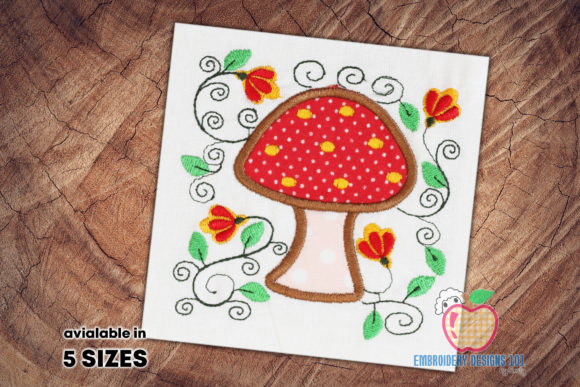
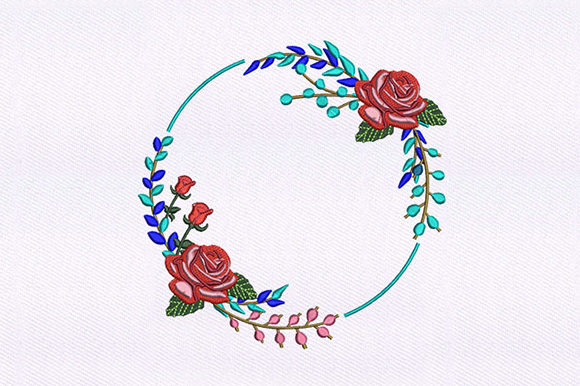
Round Flower Quilting is a versatile and visually appealing embroidery technique that can add a touch of elegance and charm to any fabric project. This method involves creating circular, floral patterns that can be used in quilts, clothing, home decor, and more. Whether you are a seasoned quilter or a beginner looking to expand your skills, Round Flower Quilting is an excellent choice for adding a unique and personalized touch to your creations.
Understanding Round Flower Quilting
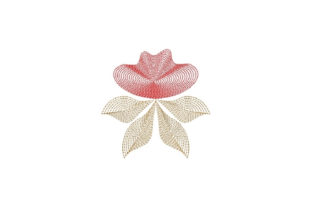
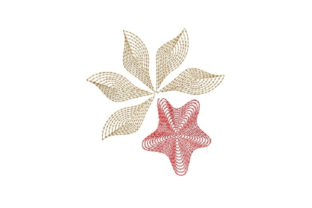
Round Flower Quilting is a specific type of embroidery that focuses on creating round, floral designs. These designs can range from simple, single-layer flowers to more intricate, multi-layered compositions. The key to successful Round Flower Quilting is in the careful selection of thread colors and the precision of the stitching, which can create a stunning 3D effect.
This technique is not just about aesthetics; it also offers practical benefits. For instance, the dense stitching involved in Round Flower Quilting can help to stabilize and strengthen the fabric, making it ideal for projects that require durability, such as quilts and bags.
Integrating Round Flower Quilting into Your Workflow
Incorporating Round Flower Quilting into your creative process can be seamless with the right preparation and tools. Here’s how you can integrate this technique into your next project:
- Planning and Design: Start by sketching or selecting a design that complements your overall project. Consider the size and placement of the round flower motifs to ensure they enhance the overall aesthetic without overwhelming it.
- Material Selection: Choose high-quality fabrics and threads that will hold up to the dense stitching. Cotton and linen are popular choices for their natural texture and durability.
- Machine Setup: Ensure your embroidery machine is set up correctly. This includes selecting the appropriate needle size, adjusting the tension, and loading the correct embroidery file format.
- Embroidery Process: Carefully follow the embroidery instructions, paying close attention to the order of stitching and color changes. Proper layering and stitch density are crucial for achieving the desired 3D effect.
- Finishing Touches: Once the embroidery is complete, trim any loose threads and press the fabric gently to smooth out any wrinkles. This step is essential for a professional, polished look.
Compatibility and Usability
One of the significant advantages of Round Flower Quilting is its compatibility with various embroidery machines. This design comes with multiple embroidery file formats, making it accessible to users with different machines. Common formats include DST, PES, JEF, and HUS, among others. Before starting your project, check the compatibility of your machine with the provided file formats to ensure a smooth workflow.
Practical Implementation Tips
To make the most of Round Flower Quilting, consider the following tips:
- Test First: Always test your design on a scrap piece of fabric before embroidering on your final project. This helps to identify any issues with the design or the machine setup.
- Use High-Quality Threads: Invest in good quality embroidery threads. They provide better stitch definition and are less likely to break during the embroidery process.
- Layer Wisely: When creating multi-layered designs, start with the base layers and build up gradually. This approach ensures that each layer is properly aligned and stitched.
- Maintain Consistency: Keep your stitching consistent throughout the design. Consistent stitch length and tension contribute to a clean, professional finish.
- Store Files Securely: Keep your embroidery files organized and stored securely. This makes it easy to access and reuse designs for future projects.
Long-Term Use and Quality Control
For long-term use, it’s important to maintain your embroidery machine and materials. Regular cleaning and maintenance of your machine, along with proper storage of your fabrics and threads, will help to extend their lifespan and ensure consistent quality in your projects.
Additionally, keeping a record of your embroidery settings and any adjustments made during the process can be very useful. This documentation can serve as a reference for future projects, helping you to replicate successful outcomes and troubleshoot any issues that may arise.
Conclusion
Round Flower Quilting is a beautiful and versatile embroidery technique that can elevate any fabric project. By carefully planning, selecting the right materials, and following best practices, you can seamlessly integrate this technique into your creative workflow. Whether you are creating a quilt, embellishing a garment, or decorating a home accessory, Round Flower Quilting offers a way to add a personal and artistic touch to your work.