Exploring Leaf Floral Quilting and Design: A Comprehensive Guide to Machine Embroidery Formats
Introduction to Leaf Floral Quilting and Design
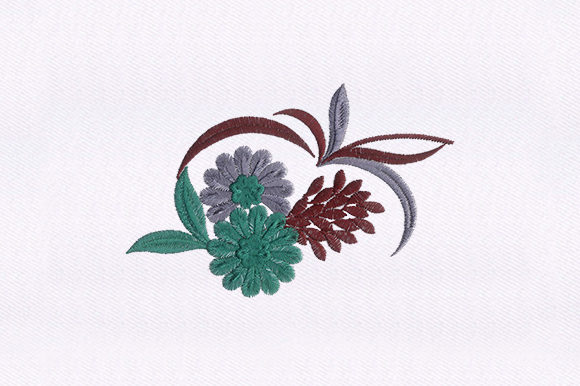
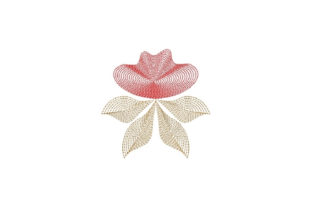
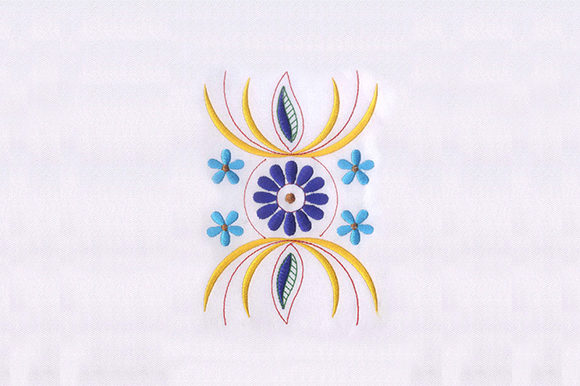
Leaf floral quilting and design is a captivating art form that combines the beauty of nature with the precision of machine embroidery. This technique allows crafters and designers to create intricate, detailed patterns that mimic the delicate lines and textures of leaves and flowers. Whether you are a beginner or an experienced quilter, understanding the various embroidery file formats is crucial for bringing your designs to life.
Understanding Machine Embroidery File Formats
Machine embroidery involves using a specialized sewing machine to stitch designs onto fabric. The design is created digitally and then loaded into the embroidery machine. Each embroidery file format serves a specific purpose and is compatible with different types of machines. Here’s a breakdown of the most common file formats used in leaf floral quilting and design:
- .10O (Tajima): Used by Tajima embroidery machines, this format is known for its high-quality stitching and is often used in professional settings.
- .ART (Artista/Bernina): Compatible with Bernina Artista machines, this format is popular among home embroiderers and small businesses.
- .CND (Condor): Used by Melco embroidery machines, this format is less common but still valuable for certain projects.
- .DSB (Data Stitch): A versatile format used by Brother embroidery machines, it supports a wide range of designs and is user-friendly.
- .DST (Tajima): One of the most widely used formats, DST is compatible with many embroidery machines and is ideal for complex designs.
- .DSZ (Data Stitch): Similar to DSB, this format is also used by Brother machines and is known for its ease of use.
- .EXP (Melco Expanded): Used by Melco embroidery machines, this format is particularly useful for detailed and intricate designs.
- .HUS (Husqvarna Viking): Compatible with Husqvarna Viking embroidery machines, this format is favored for its reliability and quality.
- .JEF (Janome): Used by Janome embroidery machines, JEF is a popular format among home embroiderers due to its simplicity and compatibility.
- .PCS (Pfaff): Compatible with Pfaff embroidery machines, this format is known for its high-quality stitching and is often used in both home and professional settings.
- .PEC (Brother): Another format used by Brother embroidery machines, PEC is easy to use and supports a wide range of designs.
- .PES (Brother): One of the most common formats, PES is compatible with Brother embroidery machines and is widely used for its versatility and reliability.
- .TAP (Tajima): Used by Tajima embroidery machines, this format is known for its high-quality stitching and is often used in professional settings.
- .VIP (Viking/Pfaff): Compatible with Viking and Pfaff embroidery machines, VIP is a reliable format for both home and professional use.
- .VP3 (Baby Lock/Janome): Used by Baby Lock and Janome embroidery machines, VP3 is known for its high-quality stitching and is popular among home embroiderers.
- .XXX (Perfect Embroidery): A format used by Perfect Embroidery software, XXX is compatible with a variety of embroidery machines and is known for its high-quality stitching.
The Significance of File Formats in Leaf Floral Quilting
Choosing the right embroidery file format is essential for achieving the desired results in leaf floral quilting. Each format has its own strengths and limitations, and selecting the appropriate one can make a significant difference in the final product. For example, if you are working on a highly detailed design, formats like .DST and .EXP, which support complex and intricate patterns, would be more suitable.
Practical Applications and Examples
Leaf floral designs can be used in a variety of projects, from decorative quilts and pillowcases to clothing and accessories. For instance, a quilt featuring a leaf floral pattern can add a touch of elegance and natural beauty to any room. Similarly, a blouse with embroidered leaf details can be a stylish and unique addition to your wardrobe.
Here are some practical examples of how different file formats can be used in leaf floral quilting:
- .DST (Tajima): Ideal for creating a large, intricate leaf floral design on a quilt. The high-quality stitching and compatibility with many machines make it a top choice for such projects.
- .JEF (Janome): Perfect for adding a simple, elegant leaf motif to a pillowcase. The format's simplicity and reliability make it a favorite among home embroiderers.
- .PES (Brother): Suitable for embroidering a series of small, detailed leaf patterns on a table runner. The versatility and widespread use of this format make it a go-to choice for many crafters.
Common Misunderstandings and Clarifications
One common misunderstanding is that all embroidery file formats are interchangeable. While some machines may support multiple formats, each format has its own unique features and limitations. It’s important to check your machine’s compatibility before choosing a format. Additionally, not all formats are suitable for every type of design. For example, a format that works well for simple designs may not be adequate for highly detailed, complex patterns.
Conclusion
Leaf floral quilting and design is a beautiful and versatile art form that can be enhanced by understanding and utilizing the right embroidery file formats. Whether you are a beginner or an experienced quilter, knowing the strengths and limitations of each format will help you create stunning, high-quality designs. By choosing the appropriate format for your project, you can bring the natural beauty of leaves and flowers to life in your quilting and embroidery work.